
Inspection points are tied to the approved sample, spec notes and buyer priorities.
Quality control China
Quality control in China for buyers who need practical checks before shipment.
Quality control in China is most useful when it is connected to the sourcing decision, the approved sample and the actual shipment plan. WK Sourcing helps buyers define practical checks before goods leave the factory: product appearance, function, measurements, materials, labels, packaging, quantities, carton marks and visible defects. The aim is to catch issues while there is still time to clarify, rework or make a buyer-side decision.
Last updated August 27, 2026
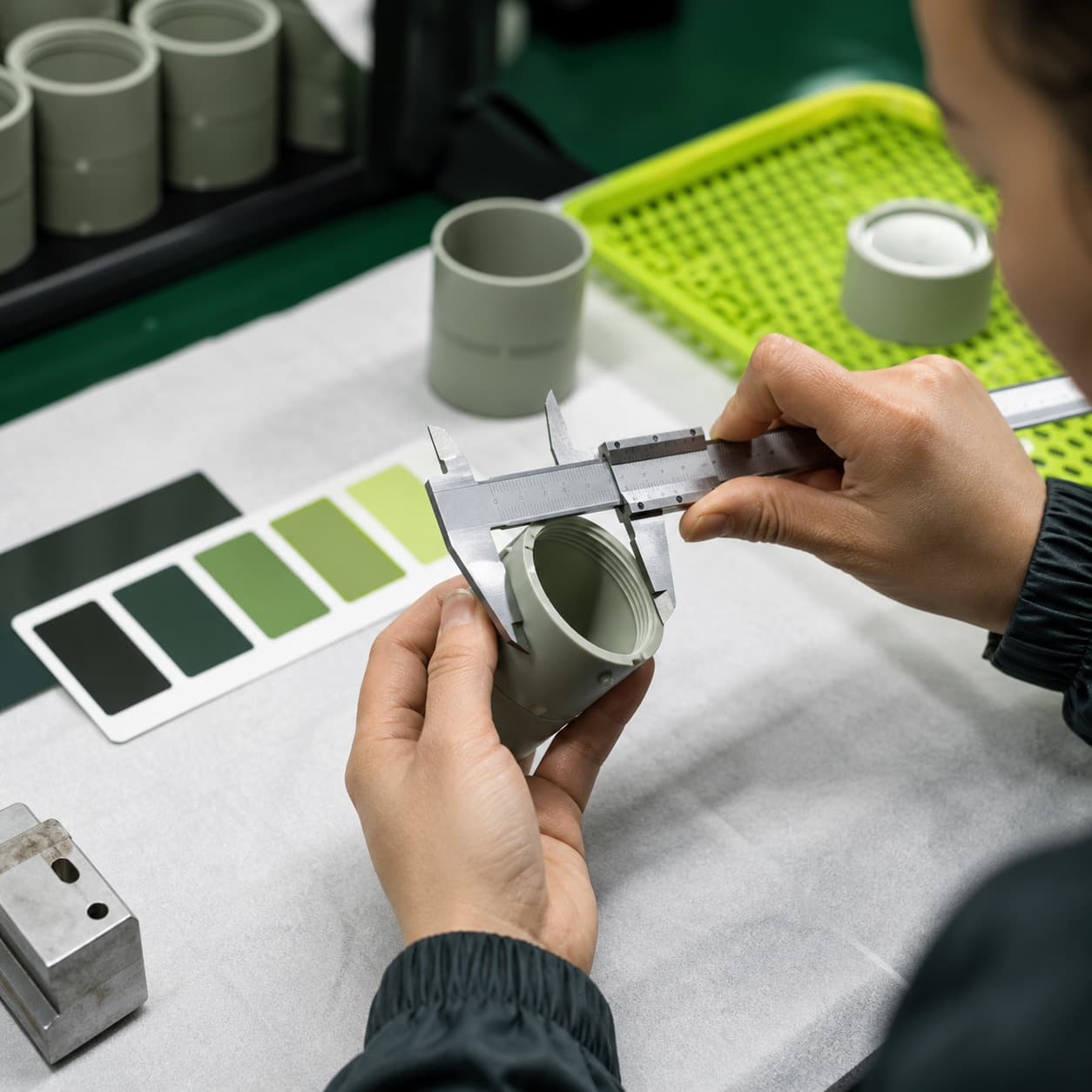
Checks based on approved samples and specs
Checks are planned before handover so issues can still be discussed with the supplier.
Photos, quantities, defects and open questions are organised for buyer-side decisions.
Inspection scope
Quality control should start with what was actually approved.
A useful quality-control check is not a generic look at finished goods. It should begin with the product brief, approved sample, order details, packaging instructions and any changes confirmed during development or production. Without that context, an inspector may see the product but miss the details that matter commercially.
WK helps define the check points before the goods are ready. Depending on the order, this can include dimensions, colour, material feel, stitching, printing, assembly, accessories, labels, packing method, carton marks and quantity checks. The inspection scope stays practical: what needs to be confirmed, what would count as a problem, and what evidence the buyer needs before shipment.
Common risks
Small changes become expensive when they are found after shipping.
Many quality issues are not dramatic factory failures. They are quiet differences from what the buyer expected: a lighter material, weak carton, wrong label position, colour drift, missing accessory, inconsistent finish, loose stitching or packaging that does not match retail requirements. These details can create returns, customer complaints or rework costs after the goods arrive.
Quality control helps surface these differences before the final handover. WK records what was checked and what remains unclear, then explains the issue in practical language so the buyer can decide whether to accept, rework, sort, discount, delay shipment or ask the supplier for a correction plan.
The goal is not to create paperwork for its own sake. The goal is to protect the buyer's decision point. If the goods are acceptable, the shipment can move with more confidence. If there is a problem, the buyer has evidence before the leverage disappears.
Connected follow-up
Quality control works best when production updates are not separated from inspection.
A final inspection is stronger when earlier production details were tracked. If the supplier changed a material, adjusted packaging, delayed assembly or revised artwork, those points should be highlighted before the quality check. Otherwise the inspection may treat an important risk as an ordinary detail.
WK keeps quality control connected to production follow-up. Milestone updates, approved sample notes, packaging files and supplier confirmations become part of the inspection context. This helps the check focus on the areas where drift is most likely, instead of relying only on a broad visual review at the end.
For regulated products, lab testing, certification or market-specific compliance should be handled with qualified providers. WK can help organise supplier information and timing, but the buyer should confirm legal and safety requirements separately before shipment decisions are made.
Service process
What happens after you send the brief.
Each stage has a concrete output, so your team can approve decisions with fewer assumptions.
Review order details
We review the purchase order, approved sample, specifications, packaging files and shipment schedule.
Define check points
Critical appearance, function, measurement, labelling, packing and quantity points are organised before inspection.
Confirm readiness
The supplier confirms production status, packed quantity and when goods are available for checking.
Collect evidence
Photos, measurements, packaging checks, quantity notes and defect observations are gathered against the scope.
Explain issues
Findings are summarised in buyer language with severity, possible impact and open supplier questions.
Support the decision
We help organise next steps such as acceptance, rework, sorting, delay or shipment handover.

Deliverables
Useful records for buyer-side decisions.
The most valuable sourcing work is often the record of what was checked, what was unclear and why a supplier or sample decision was made.
- Quality-control checklist based on the approved product and order details
- Inspection photo set covering product, packaging, labels, cartons and visible defects
- Quantity, carton and packing observations before shipment handover
- Issue summary with practical buyer-side impact and unresolved questions
- Supplier correction or recheck notes where rework is needed
- Shipment decision support connected to the sourcing project record
Project fit
Before we begin, we check whether the project is realistic.
Best fit before shipment, during production, or when a new supplier is producing the first order.
Useful for consumer goods, apparel, packaging, accessories, home products and custom items.
Not a substitute for accredited lab testing, legal compliance review or certification services.
Start a sourcing project
Tell us what you need to source from China.
Share the product, expected quantity, target market and the decision you need help with. WK Sourcing will review the brief and reply with a practical next step.