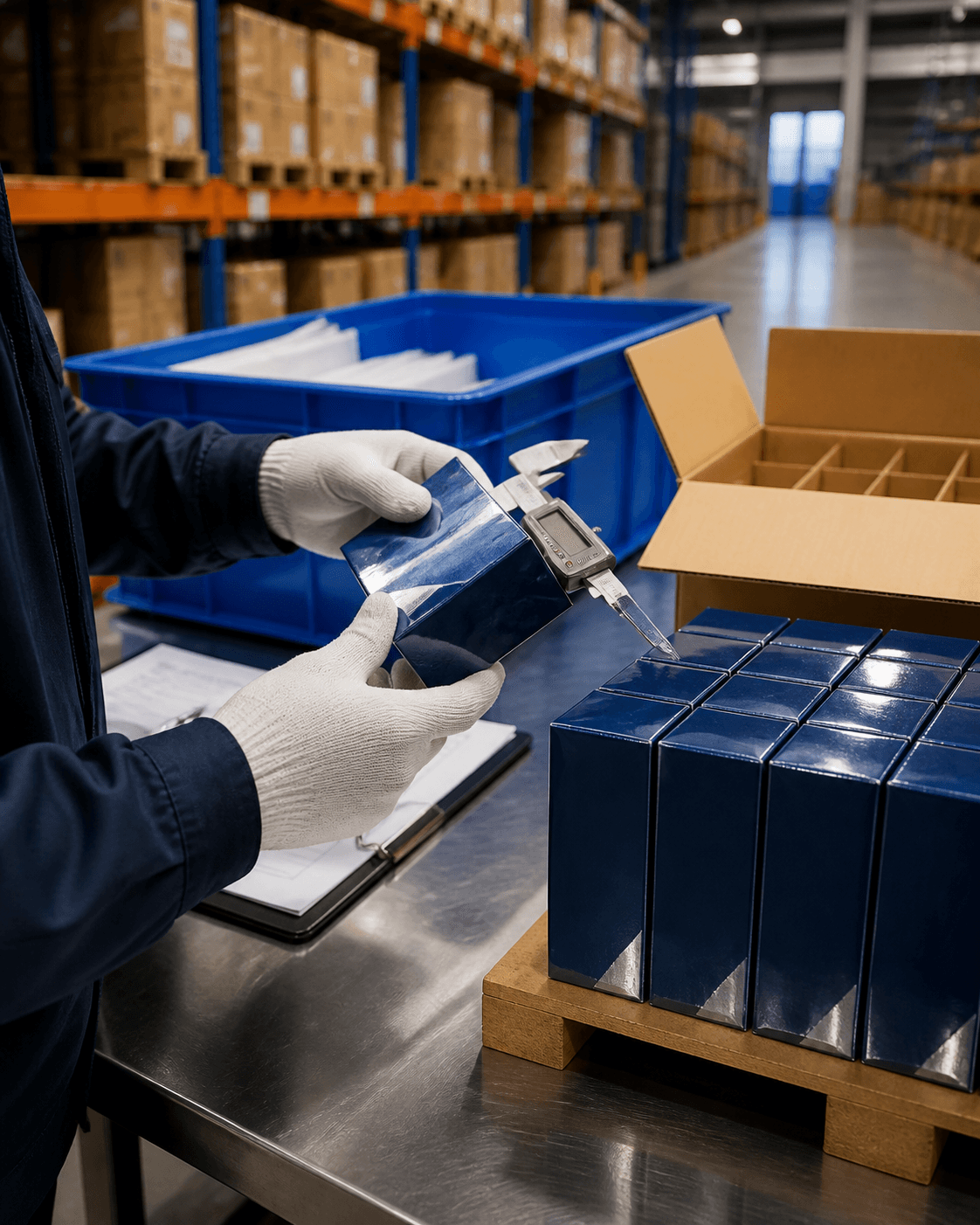
Materials, dimensions, function, finish and packaging expectations are defined before sampling.
Product development China
Product development in China for buyers who need samples, specs and production details to line up.
Product development in China is where a product idea, reference sample or early design becomes something a factory can repeat. WK Sourcing helps buyers manage the details that sit between supplier selection and bulk production: sample briefs, material choices, prototype feedback, packaging requirements, revision tracking and production handover notes. The aim is to make the approved sample useful, not just attractive, so the factory and buyer share the same reference before the order moves forward.
Last updated August 27, 2026

Samples connected to production requirements
Sample comments and changes are recorded so approved details do not disappear later.
The approved version is translated into practical checks for the factory and quality stage.
Where development starts
A product sample should answer specific production questions.
Many product development projects begin with a photo, a competitor product, a rough drawing, an existing supplier sample or a list of desired changes. That is enough to start a conversation, but it is usually not enough for a supplier to quote, sample and produce consistently. Before sampling, the buyer needs to clarify what is fixed, what can change and which details need factory input.
WK helps turn that early idea into a clearer sample brief. Depending on the product, this may include material targets, dimensions, colour references, finish, function, accessories, labelling, packaging, carton requirements, expected order quantity and destination market. The brief does not need to be perfect on day one, but it should make the supplier's assumptions visible. That is what prevents a sample from looking correct while hiding a cost, material or production problem.
Sample revisions
Treat each sample round as a decision record.
Sampling often becomes messy because feedback is scattered across photos, chat messages and short comments. A buyer may approve the shape but reject the material, accept the packaging size but change the insert card, or ask for a different finish while keeping the same mould. If those decisions are not recorded clearly, the next sample may fix one issue and lose another approved detail.
WK organises sample feedback into practical revision notes. Each point should say what was observed, what needs to change, whether the change affects price or lead time, and whether the supplier has confirmed it can be repeated in bulk production. This matters for apparel, packaging, home goods, accessories and custom consumer products where small details can alter the final customer experience.
The approved sample is not a substitute for a specification. It is a reference that should be supported by notes, measurements, material decisions, artwork files and packaging requirements. When the project moves toward production, those records help reduce disputes about what was actually approved.
Production readiness
Development is complete only when the factory can repeat the approved version.
A sample can look good and still be difficult to produce at the intended order quantity. Before bulk production, the buyer should confirm whether the material is available, whether colour or finish can be controlled, whether tooling or mould changes are needed, whether packaging is final and whether the supplier understands the inspection priorities. These checks are part of development, not a separate last-minute task.
WK keeps the development path connected to supplier sourcing, production follow-up and quality control. The same decisions that shape the sample should shape the production handover: approved materials, dimensions, tolerances, artwork versions, labels, packing method, carton marks and quality expectations. This gives the supplier fewer reasons to guess once manufacturing starts.
For products that need testing, certifications or legal review, WK can help organise the information and timing, but specialist requirements should be confirmed by the buyer with qualified providers. The sourcing process should surface those needs early so a promising sample does not become blocked right before shipment.
Service process
What happens after you send the brief.
Each stage has a concrete output, so your team can approve decisions with fewer assumptions.
Clarify the idea
We review references, drawings, target users, quantity, market and the changes or functions that matter most.
Create the sample brief
Materials, dimensions, finish, packaging, accessories and open decisions are organised before supplier sampling.
Coordinate supplier input
Factories confirm feasibility, cost drivers, tooling needs, MOQ, lead time and sample path.
Track revisions
Sample feedback is recorded by point so approved details, rejected details and open questions stay visible.
Confirm the approved version
The final sample is tied to measurements, material decisions, artwork, packaging and quality expectations.
Prepare production handover
We organise the information needed for production follow-up and practical quality-control checks.
Deliverables
Useful records for buyer-side decisions.
The most valuable sourcing work is often the record of what was checked, what was unclear and why a supplier or sample decision was made.
- Product development brief for supplier sampling
- Sample request notes covering materials, dimensions, function and packaging
- Supplier feasibility questions and cost-driver observations
- Sample revision record with approved, rejected and unresolved points
- Production-ready handover notes connected to the approved sample
- Quality-control priorities based on the details confirmed during development
Project fit
Before we begin, we check whether the project is realistic.
Best fit for buyers developing a new product, private-label item, packaging version or customised consumer good.
Useful when a reference product needs material, colour, function, size, finish or packaging changes before production.
Not a replacement for industrial design, legal compliance advice, product safety testing or IP protection counsel.
Start a sourcing project
Tell us what you need to source from China.
Share the product, expected quantity, target market and the decision you need help with. WK Sourcing will review the brief and reply with a practical next step.